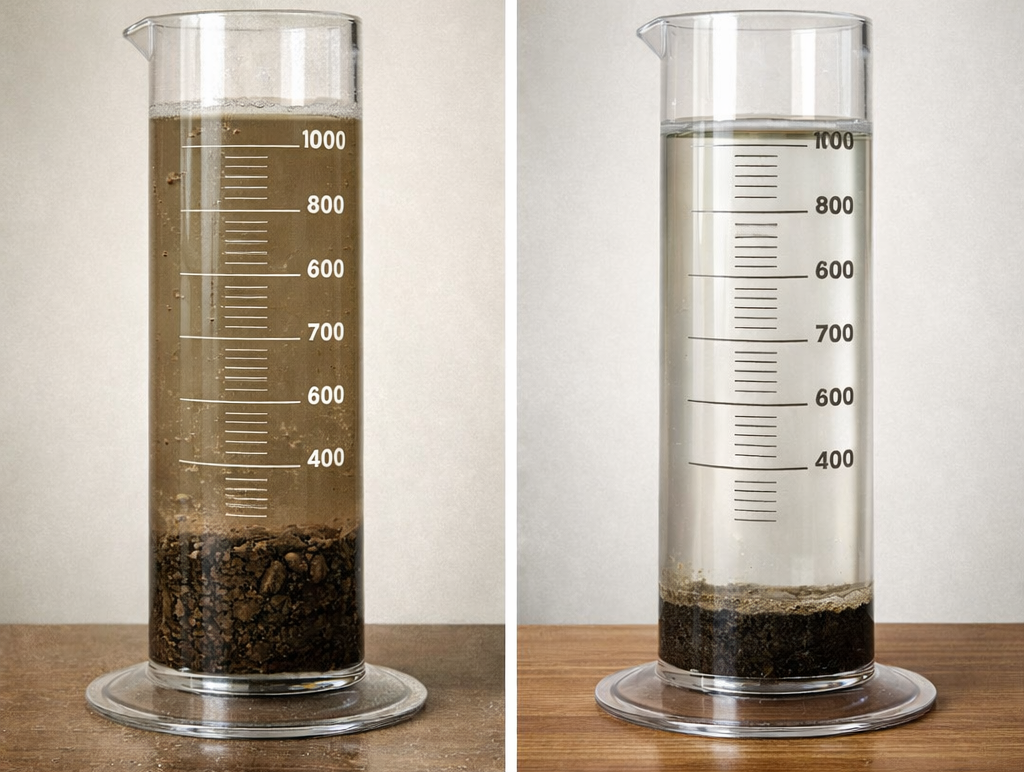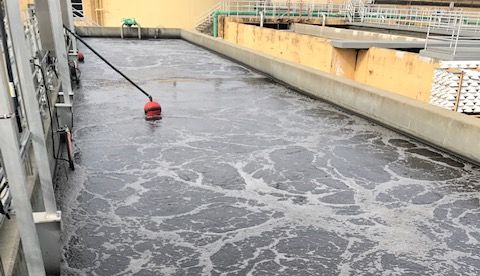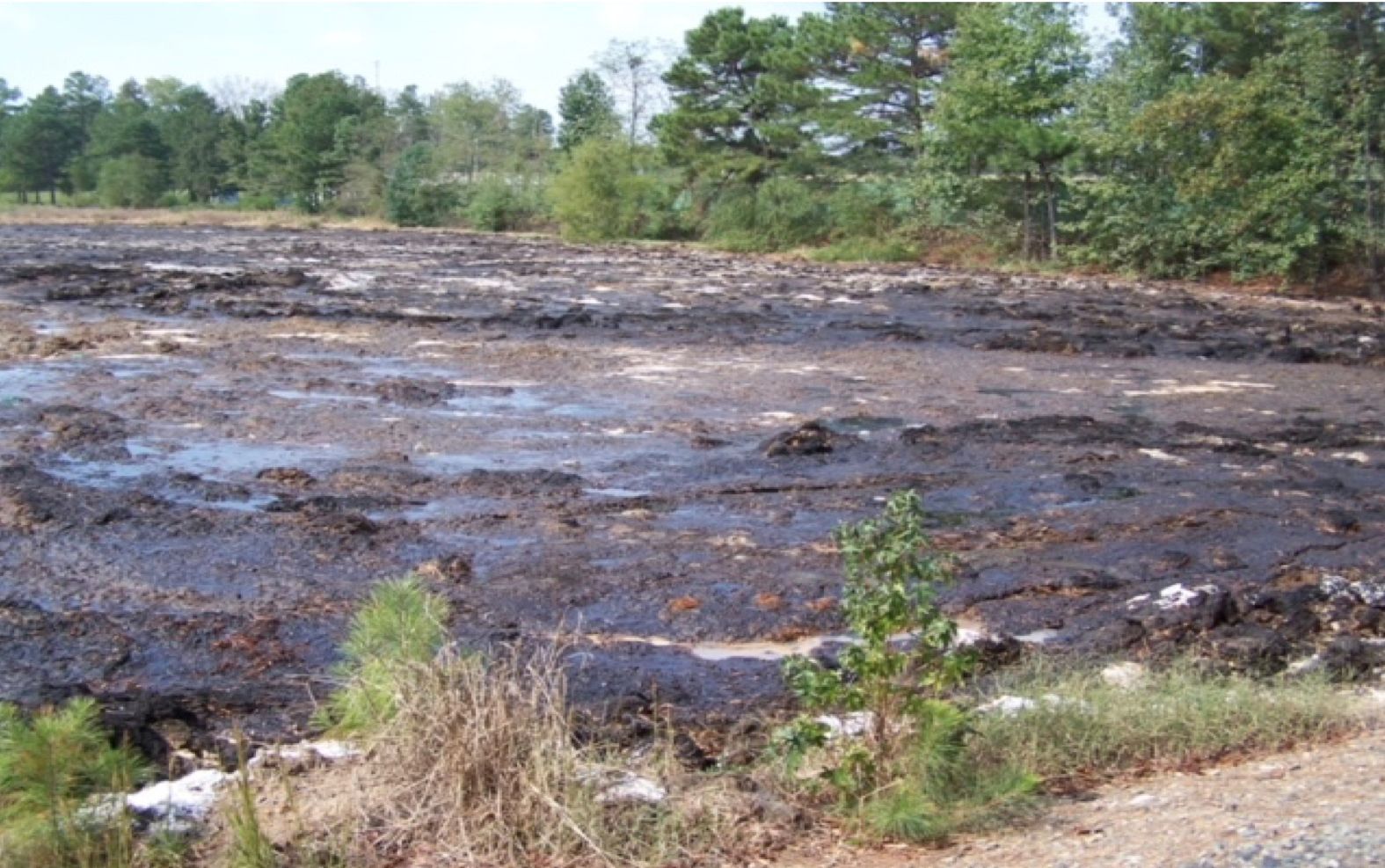
Lagoon Bio-Dredging
Patrick Beamon • November 7, 2023

Optimizing Efficiency in Wastewater Management: The Critical Role of Pre-Dewatering Processes


When it comes to managing wastewater effectively, the dewatering process is a pivotal stage that can determine the success of a treatment plant’s operations. It's a critical step, particularly in facilities such as municipal lagoons, industrial plants, and agricultural operations that handle high volumes of organic waste. The efficacy of dewatering lagoons – whether it's sludge from a municipal source, industrial sludge, or waste from poultry or hog production – greatly depends on the preparation that takes place before the actual dewatering begins. In this blog post, we’ll explore the vital pre-dewatering processes that can significantly enhance efficiency and cost-effectiveness in wastewater treatment.


**The Importance of Pre-Dewatering Analysis**


Dewatering a lagoon without adequate preparation is akin to sailing a ship without a compass. To navigate the complexities of wastewater treatment, a thorough understanding of the material to be processed is essential. This is where Nutrient and Volatility Analysis comes into play. These analyses provide a detailed snapshot of the waste's chemical makeup, informing treatment plants about the nutrient load and the biodegradability of the organic matter present. Such insights are crucial for determining the appropriate treatment protocols and ensuring that the dewatering process is tailored to the specific characteristics of the sludge.


**Mixing Requirements: Stirring Up Success**


Before dewatering can begin, the sludge must be homogenized to ensure that the dewatering process is uniform and efficient. Mixing requirements are therefore established to prevent the segregation of solids, which can lead to uneven dewatering and potential processing challenges. The aim is to create a consistent slurry that will respond predictably and effectively to dewatering techniques.


**Harnessing Biological Solutions: The Lab Trial Phase**


One of the most innovative aspects of modern wastewater treatment is the use of specific bacteria and enzyme treatments to enhance the dewatering process. But before these biological solutions are introduced to the full-scale system, a comprehensive Lab Trial is essential. These trials serve as a proof-of-concept stage where various bacterial and enzymatic treatments are tested to determine their efficacy in breaking down the organic matter. The results can guide the selection of the most effective microbial treatment, ensuring that the dewatering process is as efficient as possible.


**Understanding the Customer Timeline**


The treatment of wastewater is often subject to stringent timelines. Municipalities, industries, and agricultural facilities all have schedules to keep, and the dewatering process must align with these time constraints. Recognizing the Customer Timeline is integral to planning the pre-dewatering steps effectively, ensuring that all preparatory processes complement the client's operational schedule. This foresight is critical to minimizing disruptions and meeting the regulatory deadlines that govern wastewater treatment.


**A Closer Look at Cost Analysis**


Cost remains a decisive factor in wastewater management. Comprehensive Cost Analysis is imperative to ensure that the dewatering process provides the best return on investment. By evaluating the costs associated with nutrient and volatility analyses, mixing requirements, and the selection and application of bacterial and enzymatic treatments, treatment plants can make informed financial decisions. This economic overview must also consider long-term savings resulting from improved efficiency and the potential to recover resources from the waste.


**Dewatering: Beyond the Municipal Lagoon**


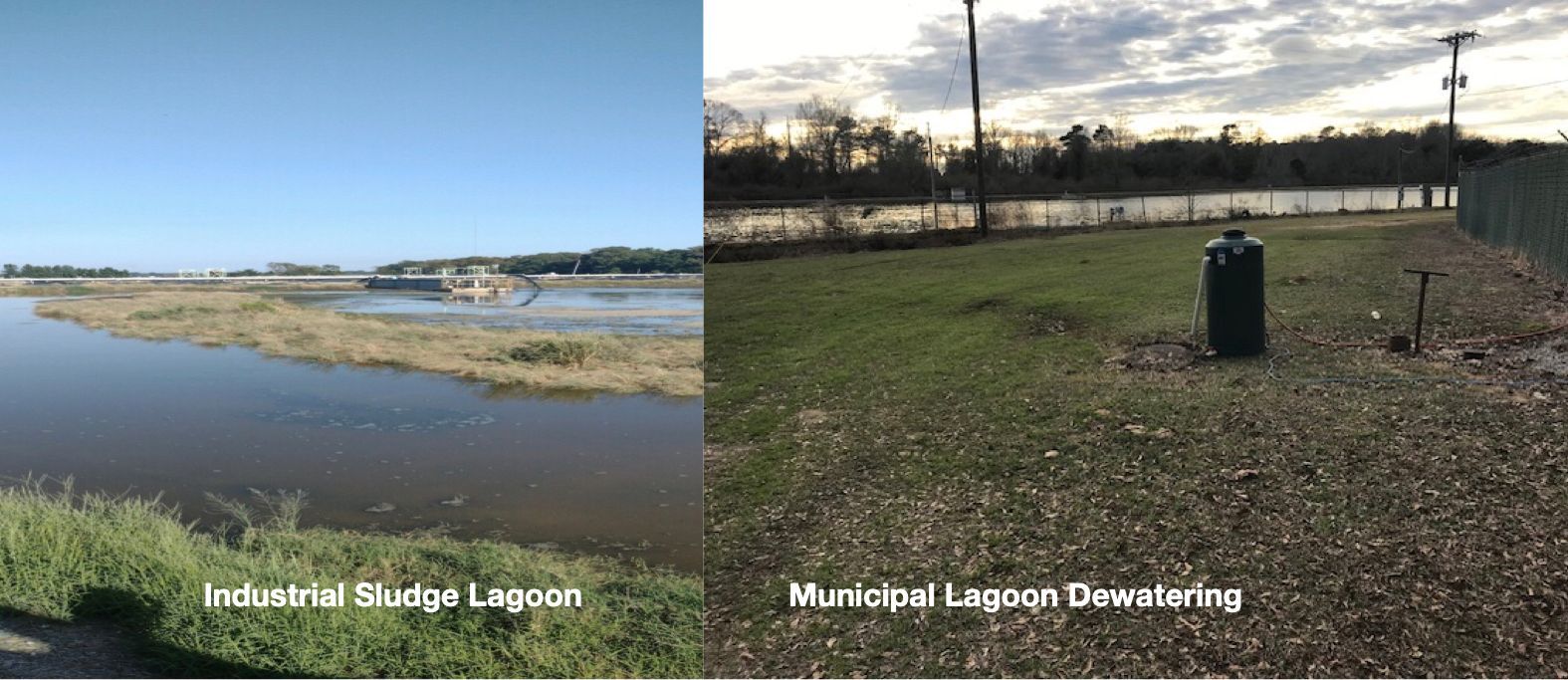
While municipal lagoon dewatering is a significant focus, it's essential to acknowledge the specialized dewatering needs of different industries. Industrial Sludge Bio-Dewatering, for instance, often deals with a variety of chemical and biological compounds that require tailored pre-dewatering preparations.


Agricultural waste presents its own set of challenges. With Chicken Plant Anaerobic Bio-Dredging, the emphasis is on managing high volumes of organic waste and ensuring that the dewatering process mitigates environmental impacts. Similarly, Hog Lagoon Bio-Dredging involves handling waste with high nutrient loads, necessitating careful preparation to ensure that dewatering is both effective and ecologically responsible.


**In Conclusion: The Key to Successful Dewatering**


The preparation stage before dewatering is not just a preliminary step; it's a series of well-orchestrated processes that set the stage for the efficient handling of wastewater. Through careful analysis, testing, and planning, Wastewater Processing companies can enhance their operational efficiency, meet regulatory requirements, and manage costs effectively. By prioritizing these pre-dewatering processes, treatment plants are not just processing waste—they are stewarding the environment and supporting the communities they serve.


For more information on how our pre-dewatering services can optimize your wastewater management, please contact us. Let us guide you through each step towards a more efficient, cost-effective, and environmentally friendly dewatering process.
Is your system wasting time and eating your budget?


Explore a Site Audit
By Pat Beamon April 1, 2026
In the last newsletter, we talked about the importance of TKN, or Total Kjeldahl Nitrogen, in a wastewater treatment plant. This time, let’s talk specifically about what TKN does in a lagoon system, because when it is not addressed before it gets there, it can create problems across the entire treatment process. Those problems do not always show up all at once, and that is part of what makes them so costly. They build slowly, spread across the lagoon, and eventually show up in the form of algae blooms, high suspended solids, elevated oxygen demand, poor effluent quality, and a lagoon that becomes harder and harder to manage. Any operator who has worked with lagoons for any length of time knows algae is one of the biggest headaches, especially once the weather turns warm. In the northern part of the country, operators may fight that battle six or seven months out of the year. In the South, it can stretch eight, nine, or even ten months depending on the climate. By the time summer is fully underway, many lagoons start turning that familiar pea-green color, and people often accept it as just part of lagoon treatment. But that is a mistake. While some seasonal algae is common, excessive algae growth is usually telling you something. It is often a visible symptom of an upstream loading problem, and TKN is frequently part of that story. It is also worth clearing up a common misunderstanding. Most municipal lagoons are not too small. In many cases, they are too large for the actual loading they receive. That may sound backwards, but it matters. When wastewater is spread out across a large lagoon surface area, it becomes diluted, and that dilution can slow the breakdown of more complex organic materials. Instead of being concentrated enough for efficient biological activity in a controlled environment, those compounds are dispersed over a broad area and processed slowly. That creates the perfect setting for long, drawn-out conversions that feed nuisance conditions instead of stable treatment. That is where TKN becomes a real problem. TKN is made up of organic nitrogen and ammonia nitrogen. In a lagoon system, that nitrogen does not simply vanish once it enters the water. It has to be biologically broken down over time. The organic fraction begins converting, and as it does, it contributes to the formation of ammonium. In the lagoon environment, that ammonium becomes part of a slow-moving cycle. As conditions allow, it moves through nitrification and is converted toward nitrate. The problem is that this transformation is not happening in a tight, controlled reactor. It is happening over a broad, open body of water exposed to sunlight, temperature swings, wind, varying detention times, and seasonal changes in biological activity. That matters because nitrogen, especially in available forms, is fertilizer. And when you fertilize a warm lagoon with plenty of sunlight, algae is going to respond. So when operators see a bright green lagoon in the heat of the year, they should not just think, “That is algae.” They should also be asking, “What is feeding it?” Many times, the answer is excess nutrient loading, including TKN that was not sufficiently addressed before it entered the lagoon. The lagoon is not just reacting to sunlight. It is reacting to food. And if you keep feeding it nitrogen and organics day after day, you should not be surprised when the algae takes over. That bright pea-green color some people have learned to tolerate is not just an aesthetic issue. It is a warning sign. It is the system telling you that too much nutrient conversion is happening in the wrong place and in the wrong way. Once algae growth gets heavy, the lagoon becomes more unstable. Oxygen levels can swing widely from day to night. Solids increase. Settling worsens. Water clarity drops. The system becomes more difficult to predict and more difficult to operate with confidence. And that warning sign usually comes with real consequences. One of the first places operators feel it is in TSS. As algae populations grow, they contribute directly to suspended solids in the lagoon effluent. That means even when the lagoon appears to be functioning on the surface, the discharge quality may be headed in the wrong direction. Along with that, cBOD can appear artificially elevated because the algae itself contributes oxygen demand. In other words, the system may look like it has a BOD problem when in reality part of what you are seeing is biological material created inside the lagoon as a result of excess nutrient availability. That distinction matters, because if you misread the problem, you may spend money treating the symptom instead of solving the cause. This is where many lagoon systems get trapped. Operators focus on the algae because the algae is what they can see. They talk about the color, the surface condition, the clarity, or the solids in the final discharge. But algae is often only the last chapter of the story. The story usually started upstream with too much organic loading, too much nutrient carryover, poor lift station conditions, excess septicity, or inadequate pre-treatment of the wastewater before it ever reached the lagoon. That is why the smartest place to deal with TKN is before it gets there. If you can reduce the TKN and associated organics upstream, you give the lagoon a much better chance to function the way it was intended to function. The lagoon becomes less reactive, more stable, and easier to operate. The water quality improves. The algae pressure drops. Solids become easier to manage. The risk of elevated cBOD decreases. And the entire system becomes less expensive to live with over time. That upstream work is not glamorous, but it matters. A strong lift station maintenance program matters. If lift stations are allowed to accumulate grease, rags, sludge, and septic organic material, then the wastewater arriving at the lagoon is already in bad shape. By the time it gets there, you are no longer dealing with a clean influent stream. You are dealing with a partially degraded, nutrient-rich load that is ready to create trouble. Routine maintenance, cleaning, and proactive management of those collection points can make a major difference in what ultimately reaches the lagoon. The right bacteria and enzyme program can matter too. When properly applied, these programs can help reduce organic buildup, improve degradation ahead of the lagoon, and take pressure off the downstream treatment process. They are not magic, and they are not a substitute for good operation and maintenance, but they can be useful tools when they are part of a broader strategy. The goal is simple: reduce the amount of problematic material entering the lagoon so the lagoon does not have to spend months converting it under less-than-ideal conditions. That is really the larger point. Lagoons tend to magnify what comes into them. If the incoming load is reasonably stable and manageable, the lagoon can often do its job very well. But if the lagoon is being fed too much TKN, too much organic matter, and too many nutrients for too long, it will eventually show you the result. It may show you in algae. It may show you in TSS. It may show you in cBOD. It may show you in odor, color, poor clarity, or inconsistent performance. But one way or another, it will show you. Too many operators spend their time chasing symptoms in the lagoon while the real problem keeps flowing in every single day. They focus on what is visible at the end of the pipe instead of what is entering the system at the front end. That approach usually leads to frustration, higher operating costs, and a lagoon that never quite seems to improve for long. If you want a better lagoon, start by fixing what is feeding it. When you get control of TKN before it enters the lagoon, you are not just solving one parameter. You are improving the overall biological health of the system. You are reducing the nutrient fuel that drives nuisance algae. You are improving the odds of better solids control. You are protecting effluent quality. And you are making life easier for the operator responsible for keeping the whole thing in compliance. A clean, stable lagoon is usually not the result of luck. It is the result of upstream discipline. In the next article, we will talk about another major lagoon issue: the hidden downside of dredging large sludge buildups.
Description of how TKN is an important aspect of water treatment.
By Pat Beamon February 16, 2026
Total Kjeldahl Nitrogen quietly increases aeration requirements, blower runtime, and power consumption. Control TKN at the source to protect plant performance and reduce energy costs.